Why You Shouldn’t Buy Backlinks: Navigating SEO Risks and Smarter Paths Forward
Imagine you’re a small café owner in the Toronto area, hustling through the fall rush of pumpkin spice season. You’ve poured heart into your website, showcasing locally sourced beans and cozy events, but it’s buried on page three of Google search results. Desperate for a boost, you stumble upon an online service promising quick backlinks from “high-authority” sites. It sounds like a shortcut to visibility—until months later, your traffic plummets, and a notification in Google Search Console reveals a manual penalty. This isn’t a rare tale; it’s a cautionary one repeated across digital marketing landscapes, where the allure of fast gains clashes with the reality of search engine scrutiny.
In an era where online presence can make or break a business, understanding the pitfalls of buying backlinks is crucial. These inbound links, meant to signal trust and relevance, can instead trigger alarms in algorithms designed to prioritize genuine content. This article delves into why paid links pose such risks, how search engines like Google enforce their rules, and what sustainable alternatives exist for building authority. We’ll explore practical strategies, drawing on real-world examples, to help you foster a robust backlink profile without the gamble. By the end, you’ll have actionable insights to enhance your site’s standing ethically, ensuring long-term growth in a competitive digital space.

Understanding Backlinks and Their Importance
What Are Backlinks?
At their core, backlinks are the digital endorsements that connect the web’s vast ecosystem. An inbound link from one site to yours acts like a recommendation letter, suggesting to search engines that your content holds value. For instance, if a popular Toronto food blog links to your café’s page on seasonal brews, that’s an inbound link carrying weight because of its relevance.
These inbound links come in two flavors: dofollow, which pass authority and influence rankings, and nofollow, which don’t but still drive traffic. Search engines crawl these connections to map out credibility, much like how a neighborhood gossip network spreads word-of-mouth repute. In digital marketing, monitoring these through tools becomes essential for backlink management, allowing you to track which inbound links are boosting your profile and which might need attention.
Effective backlink management isn’t just about quantity; it’s about nurturing a network that evolves. Regularly auditing inbound links helps spot opportunities or issues early, ensuring your site’s foundation remains solid. For example, a Toronto-based bakery might notice an inbound link from a local event page, reinforcing its community ties during the holiday market season. This proactive backlink management can prevent minor hiccups from escalating, keeping your presence strong in Google search.

The Value of Quality Backlinks
Quality backlinks are the gold standard in link building, elevating your domain’s authority like a well-placed endorsement from a trusted peer. Picture a local Toronto artisan market: a shoutout from a respected vendor draws crowds, much as an inbound link from a high-authority site in your niche amplifies visibility. These links, when relevant, signal to search engines that your content deserves prominence, directly impacting rankings.
In backlink management, prioritizing quality means focusing on context—anchor text that naturally describes the linked content, avoiding over-optimization that screams manipulation. For businesses optimizing their Google Business Profile, quality backlinks from local directories or industry sites can enhance local search results, drawing foot traffic during events like Toronto’s winter markets. A single inbound link from a reputable source, like a feature in a Canadian lifestyle magazine’s online edition, can outweigh dozens of generic links.
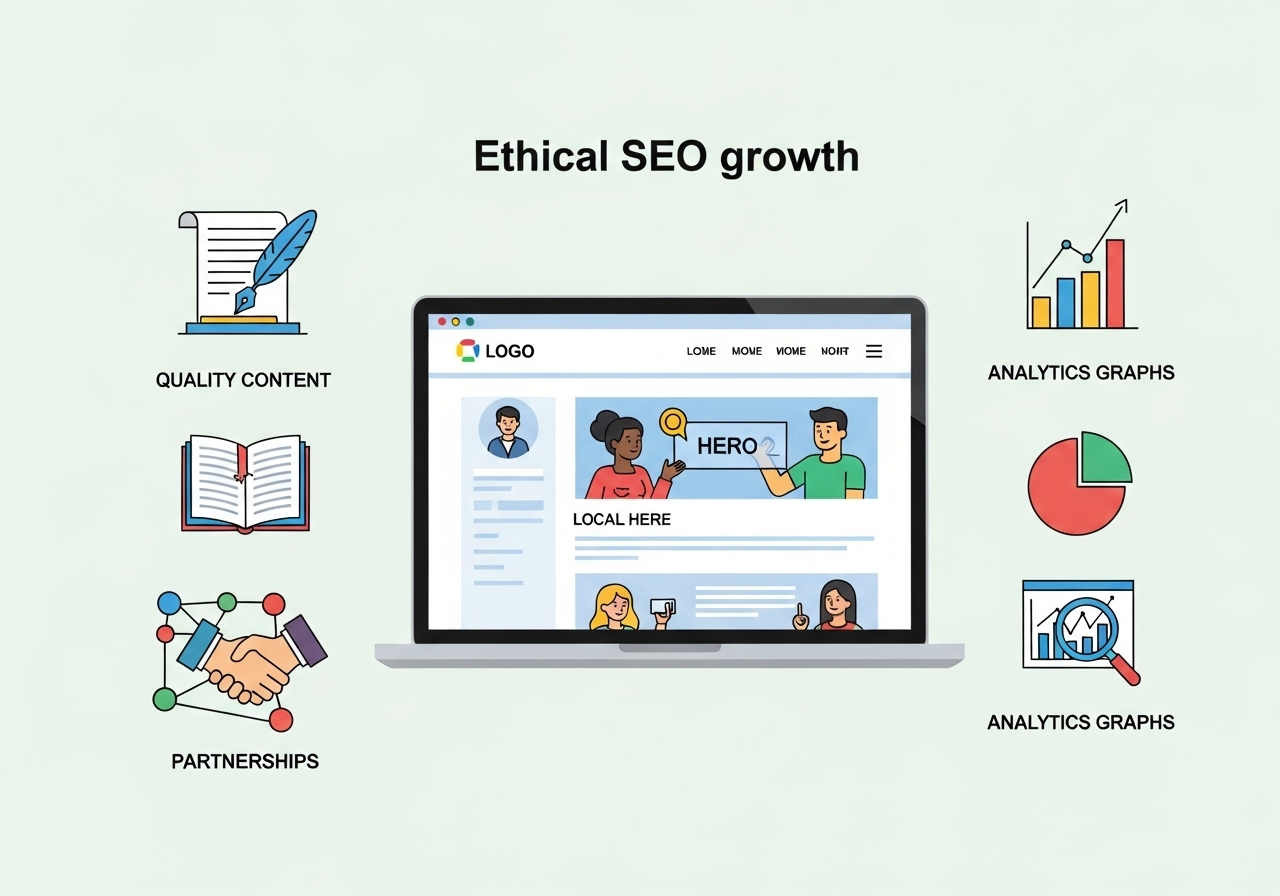
Building backlinks organically through valuable content pays dividends. A comprehensive guide on sustainable sourcing, for example, might earn an inbound link from an environmental blog, strengthening your authority. This approach to link building fosters trust, as search engines reward sites with diverse, high-caliber inbound links. Regular backlink management ensures these assets remain beneficial, weeding out any that degrade over time.
The Risks of Buying Backlinks
Google’s Stance on Paid Links
Google’s guidelines are unequivocal: engaging in schemes to buy or sell links that manipulate PageRank violates their spam policies. This includes exchanging money, goods, or services for an inbound link intended to boost rankings. Such practices undermine the web’s integrity, turning genuine recommendations into commodified tricks. For a Toronto-area retailer banking on holiday traffic, buying an inbound link might seem tempting, but it risks alienating the algorithms powering search engines.
Search engines employ sophisticated algorithms and human reviewers to detect unnatural patterns, like sudden spikes in inbound links from unrelated sites. In backlink management, ignoring these rules invites trouble. The policy extends to advertorials or sponsored content without proper qualifiers like “nofollow” or “sponsored” attributes. Effective backlink management involves disclosing paid relationships transparently, preserving trust with both users and search engines. A quick check can reveal if an inbound link is flagged, allowing swift action to mitigate risks.
Potential Penalties for Buying Backlinks
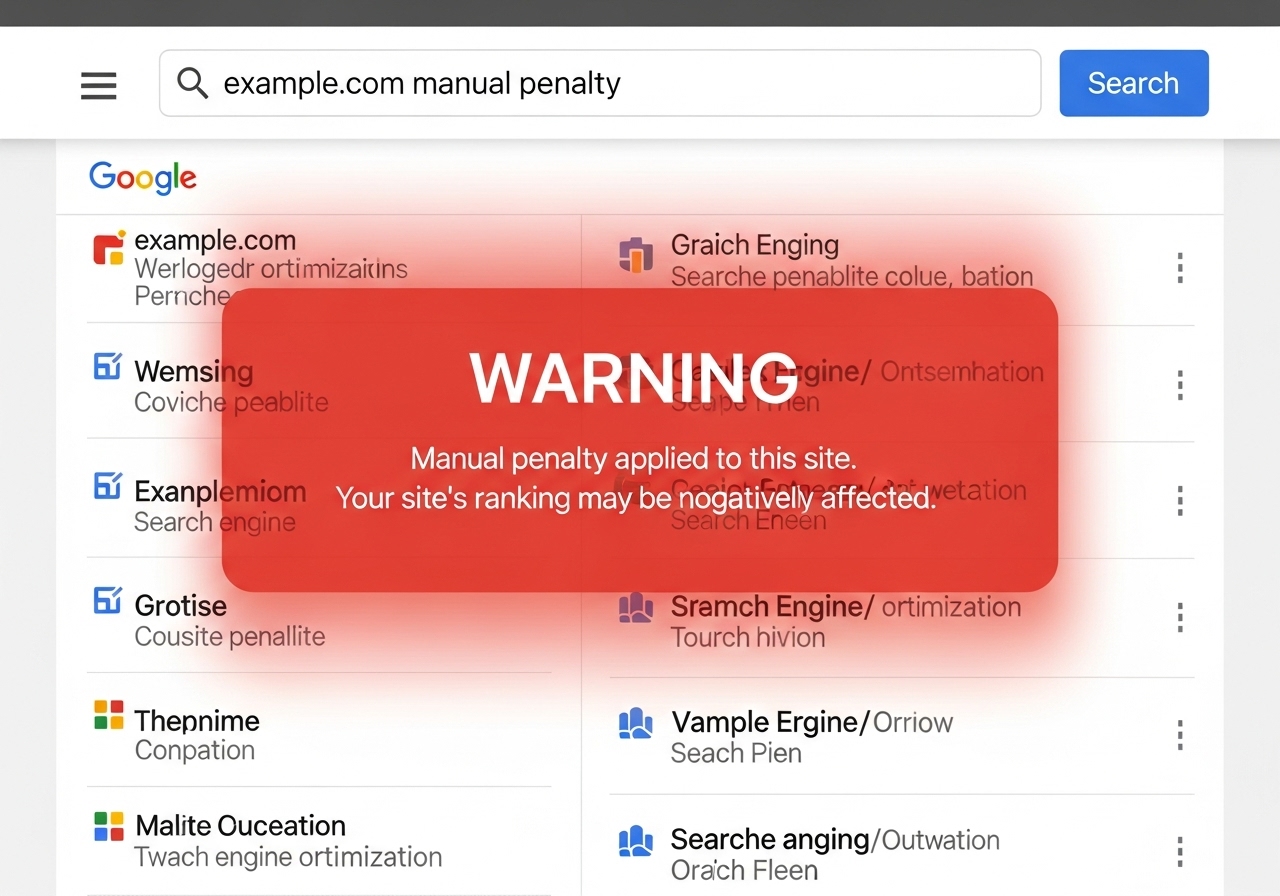
The fallout from buying backlinks can be swift and severe, manifesting as manual or algorithmic penalties. Manual actions stem from Google’s team reviewing suspicious activity, while algorithmic ones hit automatically during updates, demoting sites with manipulative inbound links. A Toronto home services business, for instance, faced a penalty after purchasing links, seeing rankings tank and recovery taking months. This echoes broader patterns where sites, enticed by cheap link packages, suffer long-term traffic loss.
Algorithmic penalties, fueled by updates like Google’s SpamBrain, devalue manipulated links without warning. In backlink management, recovering demands disavowing toxic inbound links and rebuilding legitimately—a process that can stretch resources thin for small operations in competitive markets like the Toronto area. Businesses must integrate vigilant backlink management to monitor for these risks, auditing website backlinks regularly. The lesson? Shortcuts in link building often lead to detours, with penalties erasing gains and demanding exhaustive cleanup.
Recognizing Low-Quality Backlink Sources
Characteristics of Spammy Backlinks
Spotting spammy backlinks is a cornerstone of sound backlink management. These often hail from irrelevant, low-authority domains—think an inbound link to your Toronto tech startup from a generic directory farm. Excessive anchor text optimization, like repeatedly using “best Toronto gadgets” unnaturally, raises red flags for search engines. Link farms and Private Blog Networks (PBNs) are notorious culprits, churning out inbound links devoid of context.
In backlink management, tools help identify these by revealing patterns, such as clusters of links from dubious sources. For example, a Toronto event planner might find an inbound link from a spammy forum unrelated to weddings or corporate functions—a red flag requiring immediate action. Avoiding these demands discernment: question any inbound link that doesn’t stem from genuine interest or relevance. Forum signatures or widget embeds with hidden links also qualify as spam, and proactive backlink management involves regular scans to disavow such elements.

The Impact of Low-Quality Backlinks on SEO
Low-quality backlinks erode domain authority like rust on a neglected bike chain, making smooth performance impossible. They invite penalties, potentially blacklisting your site and slashing visibility in Google search. For a Google Business Profile in the Toronto area, toxic inbound links can dilute local relevance, pushing you behind competitors during peak seasons like summer festivals. Brand reputation suffers too; users tracing a spammy inbound link back to your site may question credibility.
In backlink management, the ripple effects extend to social media integrations, where poor SEO hampers overall digital marketing efforts. Mitigating this demands rigorous backlink management—auditing website backlinks quarterly, disavowing harms. A Toronto retailer, for instance, might notice a drop in rankings after a batch of low-quality inbound links from unrelated blogs. By addressing these promptly, businesses can safeguard their standing and maintain trust with search engines.
Safe and Effective Alternatives to Buying Backlinks
Building a Natural Link Profile
Cultivating a natural link profile through ethical link building is like tending a garden: patience yields enduring blooms. Start by creating content that solves problems—a Toronto real estate blog might publish market analyses during spring buying frenzies, earning inbound links from industry peers. Networking amplifies this; engage on social media or at local events to foster relationships leading to organic inbound links. In backlink management, track these to measure impact, adjusting strategies as needed.
Resource page link building, where you pitch your content to curated lists, is a proven tactic. Similarly, claiming unlinked brand mentions turns passive nods into active inbound links. For example, if a Toronto lifestyle blog mentions your café without linking, a polite outreach could secure an inbound link. This holistic approach to link building and backlink management builds resilience against algorithm shifts, ensuring your website backlinks remain robust.

Utilizing Guest Blogging and Collaborations
Guest blogging stands out as a powerhouse in link building, allowing you to contribute insights to reputable sites while securing a quality inbound link. When pitching a guest blog, focus on value: for a Toronto marketing firm, a piece on digital trends in Canadian winters could land on a national platform. Guest blogging demands research—identify sites with engaged audiences, ensuring alignment. Each guest blog opportunity refines your voice, expanding reach and inbound link diversity.
In backlink management, monitor these guest blogging efforts to ensure sustained benefits. For instance, a guest blog on a tech site about Toronto’s startup scene could yield an inbound link that boosts your Google Business Profile’s visibility. Collaborations extend this: partner with influencers for co-created content, yielding mutual inbound links. Guest blogging via joint webinars or podcasts can similarly enhance profiles. Aim for six to eight guest blog slots annually, varying topics to avoid repetition.
Guest blogging isn’t one-off; build ongoing relationships for recurring guest blog chances. A Toronto bakery might secure a guest blog series with a foodie platform, each post reinforcing its authority with fresh inbound links. In backlink management, verify these links’ impact, ensuring they align with search engine expectations. This strategy, rooted in genuine contribution, fortifies your link building efforts without the risks of paid schemes.
Leveraging Local Opportunities for Backlink Growth
For businesses in the Toronto area, local opportunities amplify link building. Engaging with community events, like sponsoring a summer festival, can earn inbound links from event pages or local news sites. Optimizing your Google Business Profile with consistent details encourages directories to link back, strengthening your local SEO. These efforts, tracked through backlink management, ensure your website backlinks reflect community ties.
Social media plays a role too; sharing content on platforms like Twitter or Instagram can spark organic mentions, some evolving into inbound links. A Toronto boutique might share a post about a pop-up shop, catching a blogger’s eye for a guest blog feature. This synergy between social media and guest blogging creates a virtuous cycle, enhancing backlink management and boosting Google search visibility. Learn more about local strategies in our What Is Local SEO guide.

Practical Steps for Ongoing Backlink Management
Effective backlink management requires a structured approach. First, audit your website backlinks monthly, identifying new inbound links and flagging low-quality ones. Second, diversify your link building tactics—mix guest blogging, local partnerships, and content creation to avoid over-reliance on one method. Third, maintain relationships nurtured through guest blogging or collaborations, as repeat inbound links from trusted sources compound authority.
For example, a Toronto fitness studio might discover an inbound link from a low-quality directory. By disavowing it, they protect their rankings while pursuing a guest blog on a wellness site, securing a quality inbound link. This disciplined backlink management ensures long-term SEO health, aligning with search engine standards. Check our pricing for tailored backlink management solutions.
Embracing Ethical SEO for Lasting Impact
The temptation to buy backlinks is understandable in a fast-paced digital world, but the risks—penalties, lost credibility, and eroded rankings—far outweigh fleeting gains. Search engines like Google prioritize authenticity, rewarding sites that earn quality backlinks through genuine effort. For businesses in the Toronto area or beyond, ethical link building offers a sustainable path to visibility, whether through compelling content, strategic guest blogging, or local partnerships.
Start today by auditing your website backlinks, identifying opportunities to build backlinks organically. Invest in guest blogging relationships and leverage your Google Business Profile to tap into local markets. By prioritizing backlink management and ethical SEO, you’ll cultivate a digital presence that not only ranks higher in Google search but also earns trust from customers and search engines alike. The journey may be slower, but like a well-brewed Toronto coffee, the results are worth the wait. Ready to start? Explore our about us page to connect.